Some days are just not like all the rest. They can be different from all others for just one person, for a family, for a whole country, and sometimes for the whole world. Days worth remembering can be happy days or they can be sad days.
Often, good things happen even on sad days.
Today, on September 11, 2001, something terrible happened in New York City. You have probably heard people say, “Never forget.” On the world’s clock 18 years ago, time stopped for some people. The details aren’t quite as important as the feelings and the memories that people have of that day. It started much like any other, with families waking up, having breakfast, and getting ready to go to work, or to school, to take a trip, or to have fun with friends.
But then it all changed — and it changed very quickly from a normal day to one that would be remembered in a very different way. In New York City, and in Washington, D.C., and in a field in Connecticut, four separate airplanes crashed, three of them into buildings filled with people. Many people in those planes and in those buildings died.
It was, and it still is, a very sad day.
Never Forget
Your parents and grandparents who lived through that day and the weeks that followed have many different reasons for wanting to remember. Some want to honor their friends and family members. Others want our country to remember, so that nothing like this will happen again. Some look at the day as a piece of history that ought to be studied. Nothing quite like it had ever happened before.
It was a sad day. But it was also a time when many strangers helped and hugged one another, and when an entire city, a whole country, and most of the world came together in shock and sadness, and almost immediately began to take steps that would prevent something similar from happening again.
If you feel like crying today as you hear some of the stories, or if you don’t understand why all adults can’t just agree that it’s over and move on, or if it makes you afraid in some secret place in your head that something bad might happen to you, know that you are not alone. Adults sometimes feel all those things too. Everyone does!
The truth is that people sometimes act badly, and life can be cruel. But more often, when truly terrible things happen, most people react differently; they act in really good ways. They try hard to keep others safe and to make them feel better. That is exactly what happened on this day 18 years ago. Some very normal people almost became superheroes on that day.
The adults who lived through 9-11 are getting older now. But their children, and the children whose fathers or mothers, aunts and uncles, grandparents, neighbors and friends were hurt or killed on 9-11, are growing up, and they continue to help other people and to help mend the world in ways they might not have done otherwise.
That’s what we should remember. So, when you hear those words, “Never forget,” know that sadness has another side, and hope and goodness really do exist.
Always.
It’s okay to remember the sadness of 9-11, but we can all go on, working to make all tomorrows better, brighter and happier for us all.
Note: What prompted this? I heard this morning from my grandson’s mother that he had a “pretty emotional reaction” to a morning radio show mention of losing friends on 9-11. She also noted that her memory of that day centers on morality and resiliency, and that she would share this video with him. I’ll share it too, for anyone else who needs something inspiring and uplifting today.
Also see: A Moment in Time, Another Year Has Passed, and September 12, the day after.
 It was a fitting tribute to George Herbert Walker Bush, himself a former naval pilot.
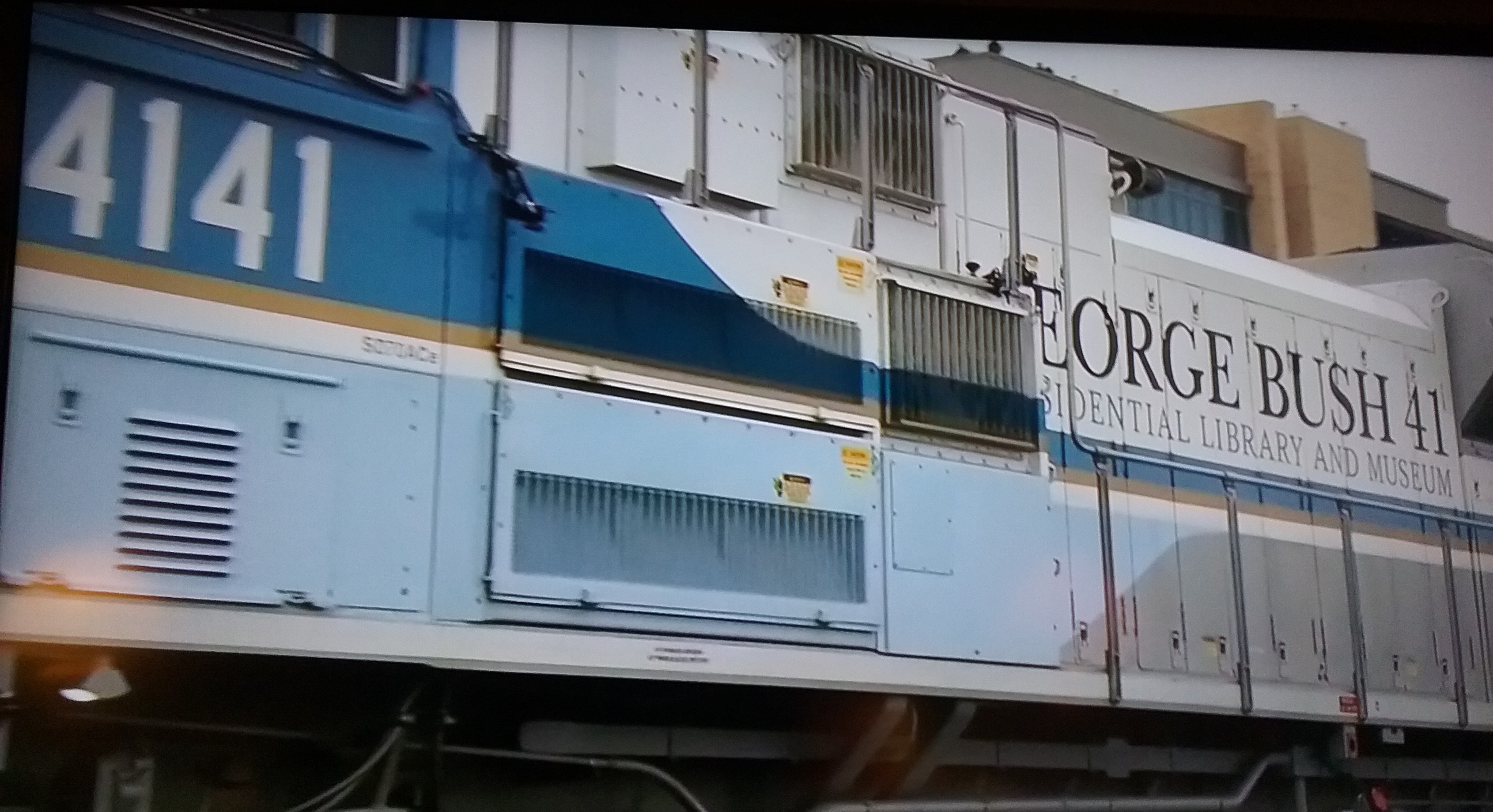 Timing was perfect.
 The words on the facade of the George H.W. Bush Presidential Library on the grounds of Texas A&M University express it all, eloquently.
 transplanted Texan, a fair part — perhaps the better part — of my childhood was spent in Miles City, a small town at the confluence of the Tongue and Yellowstone Rivers in dusty Eastern Montana. It has a long and varied history, very little of it serene and comfortable, but it was nowhere near as wild as other early settlements of those early years in the Old West.
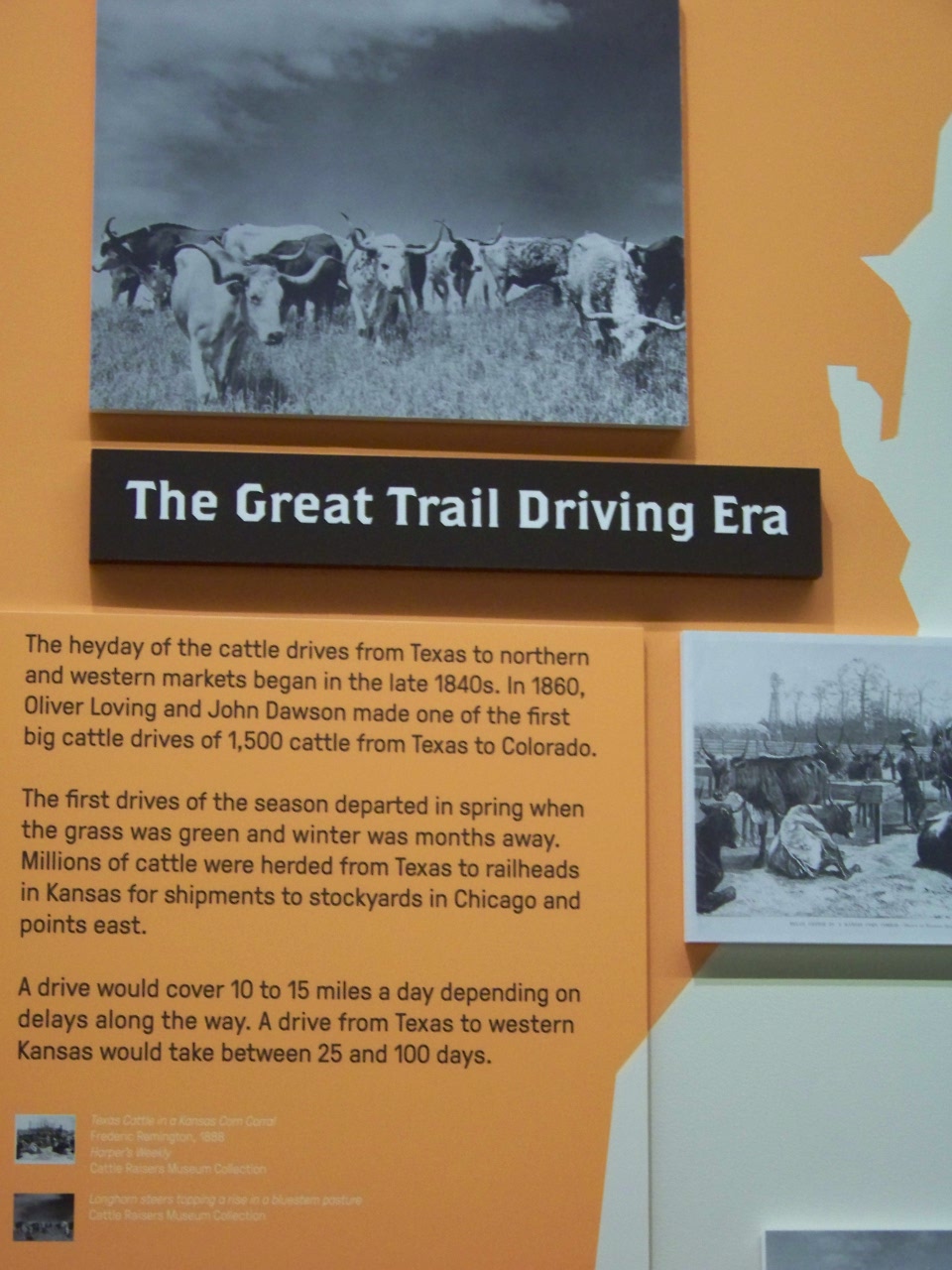 century, the need for troops declined, and by 1907 they had all been reassigned. That year a second rail line was routed through Miles City. The Milwaukee Road became the last transcontinental rail to cross the state to the Pacific.
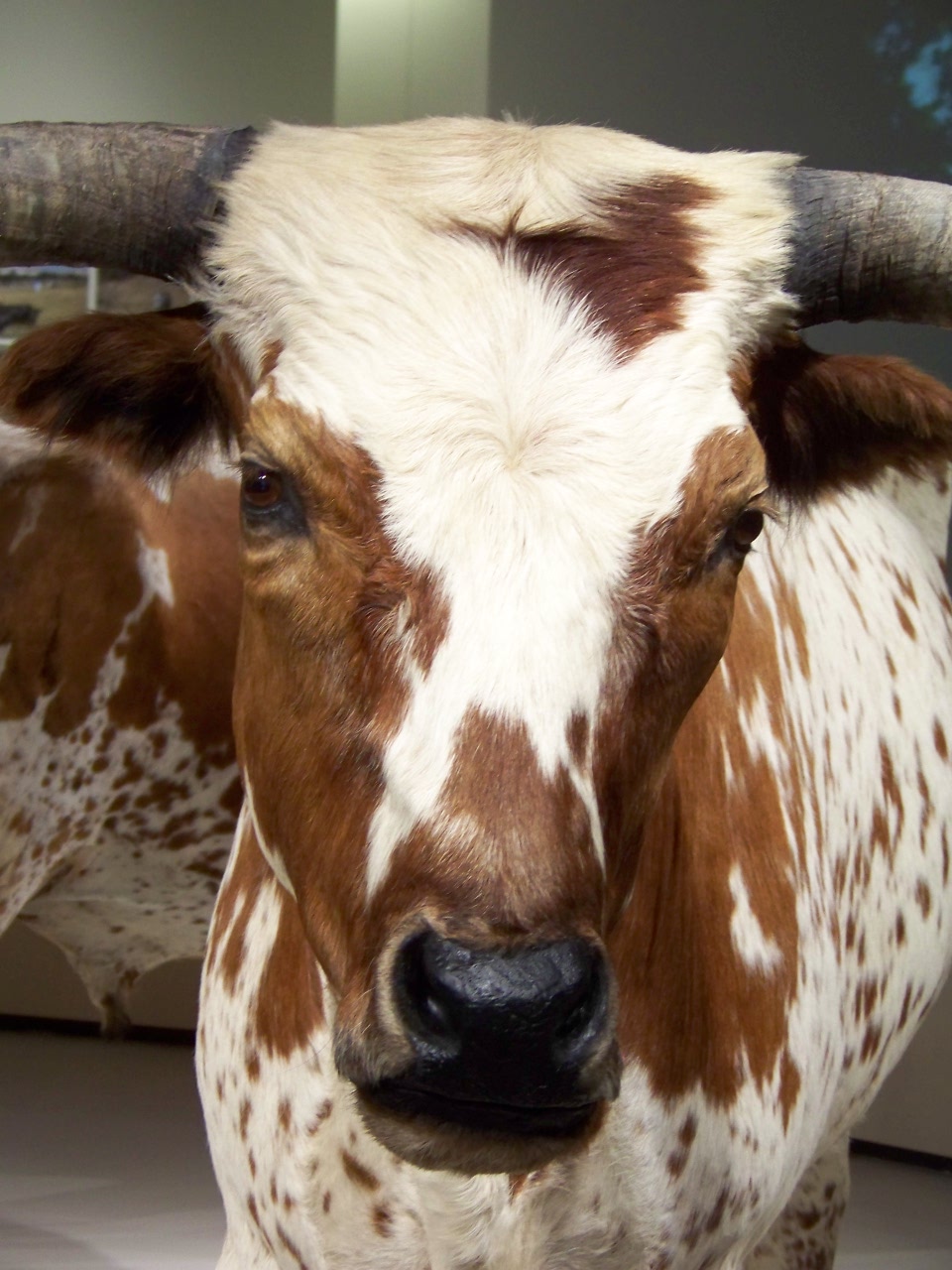 Wyoming on the way from Fort Worth north. The days of the open range were gone, but the long stretches of uninhabited land and the big skies remained, even though mid-90s cowboys closely paralleled the path of modern highways.

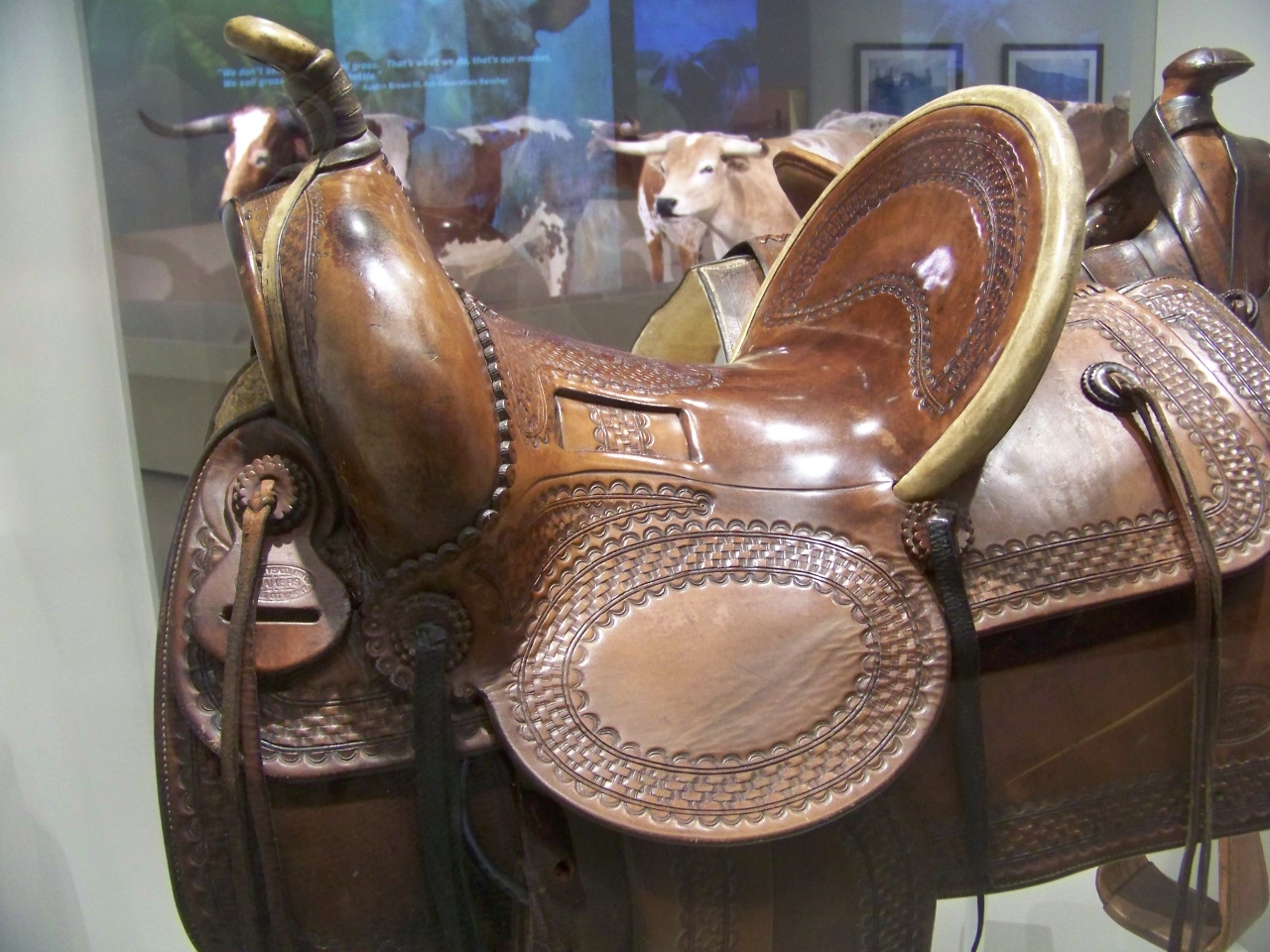


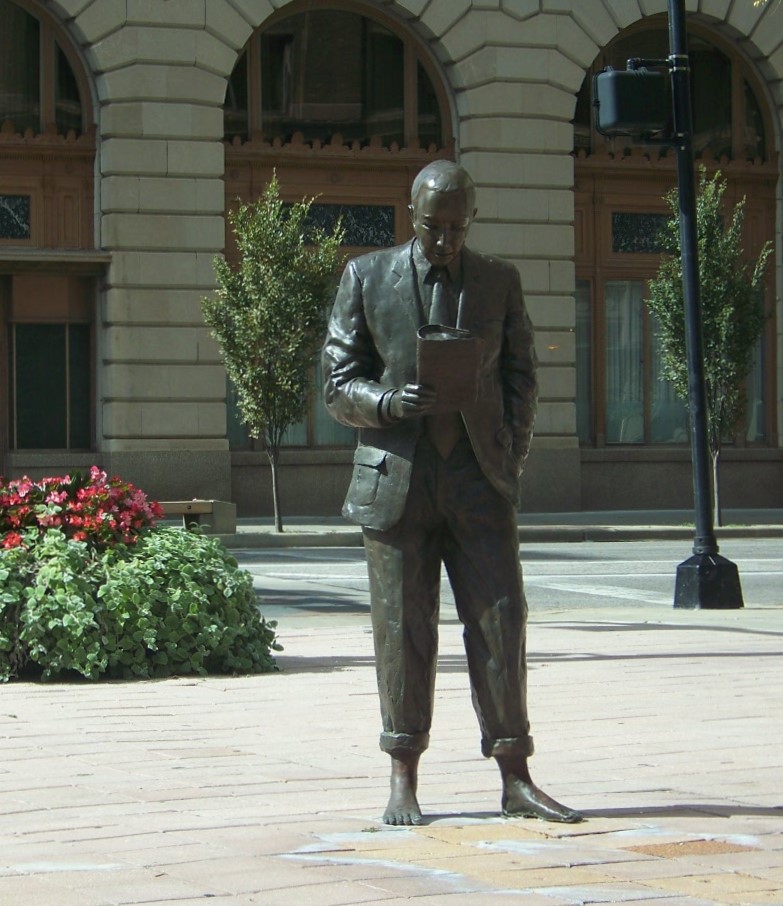



 Rather it is an experience, an interactive recreation of a frontier town and it is simply wonderful. We sauntered along the wooden boardwalk, poking into the actual old homesteads, stores, and buildings, the church, one-room schoolhouse, tailor shop, general store, Masonic Lodge, newspaper office, and grain elevator — a total of 54 original or recreated buildings that have been moved to the multi-acre site. On the day we visited, the streets were even suitably muddy; we watched as a leather-aproned blacksmith pounded red-hot metal into usable implements, and we quenched our thirst with Sarsaparilla at the old-time saloon.



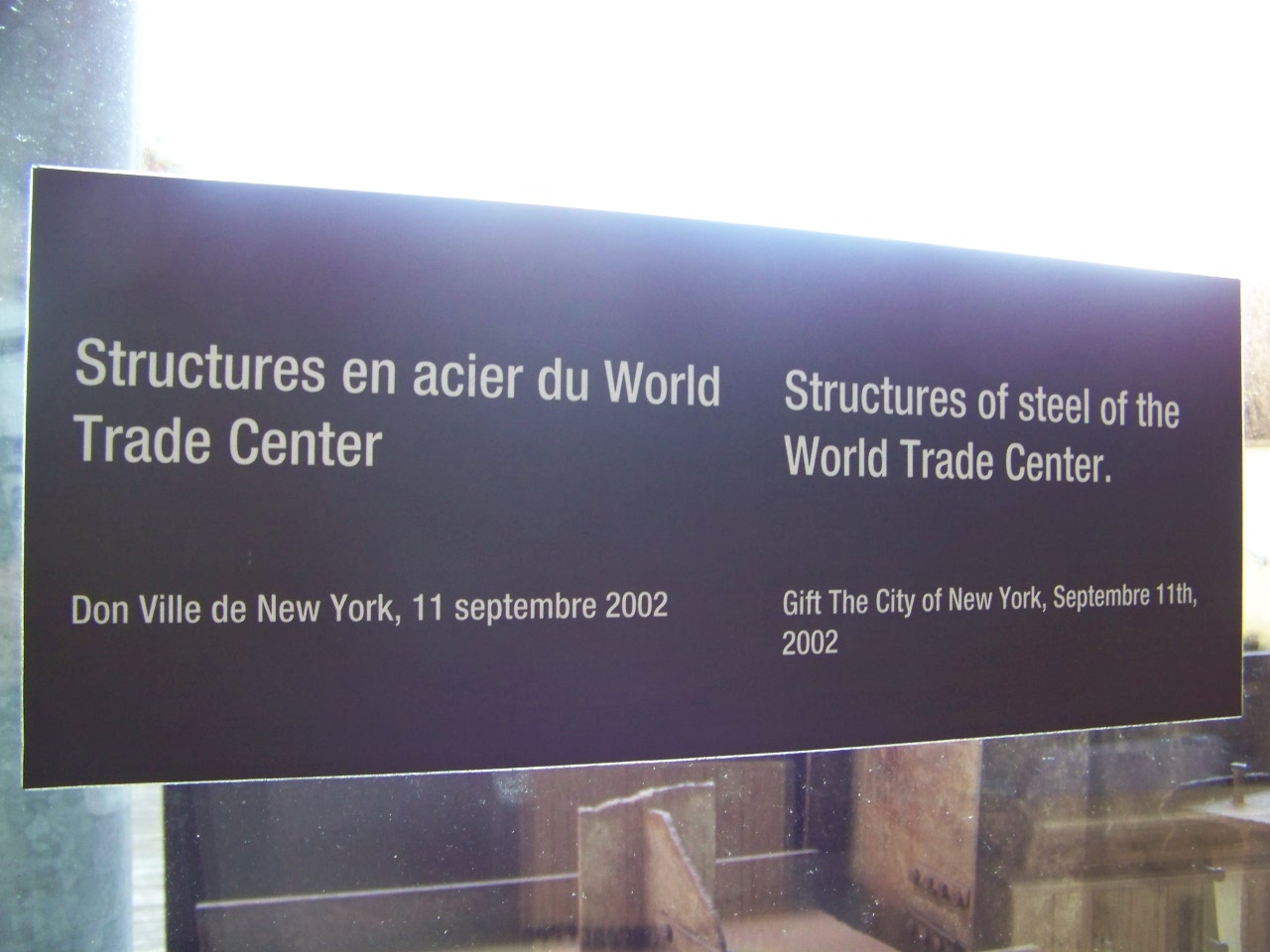
 a grim reminder of the day a part of the soul of New York collapsed in a heap of rubble. It caused a wrenching emotional reaction in this building where the horrors of war are real and all too painful.
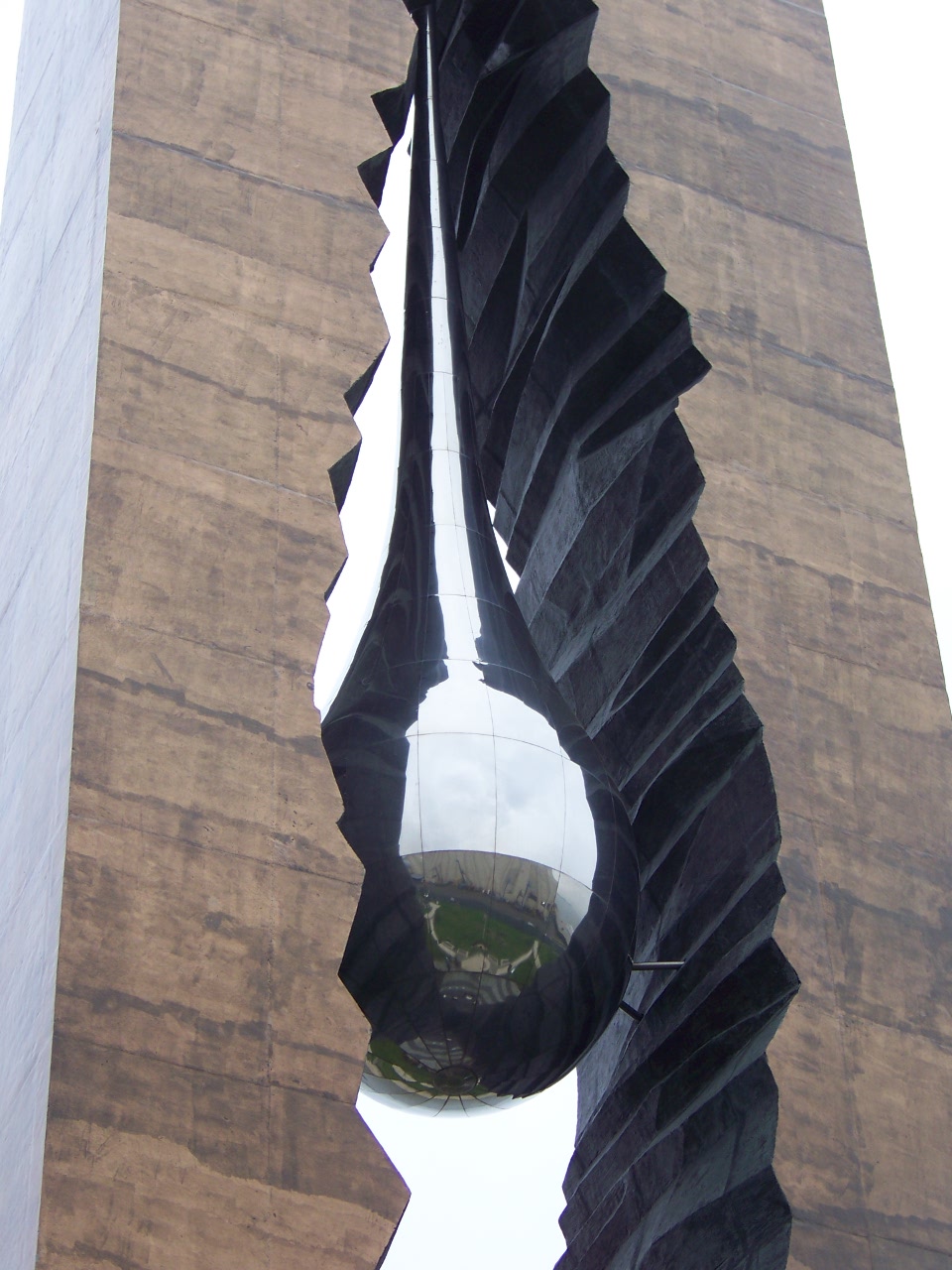 Though not well known, the sculpture by artist Zurab Tsereteli was an official gift to the United States from the Russian government.
 Dedicated to the struggle against world terrorism, the sculpture park is testimony to the global impact of 9-11. Today, it is a place for reflection, and the busy life of the harbor continues all around, with the Statue of Liberty and the World Trade Center site both a part of the remarkable scene.


 Right Off Main